
Updated 2026. If you’re searching for Iquitos jungle tours or Amazon tours in Peru, here’s the honest truth: the best things to do in Iquitos are not inside the city itself. Iquitos is a river city surrounded by rainforest, and the real experience begins when you leave the streets behind and travel by boat into the Amazon.
In this part of the Peruvian Amazon, the powerful Ucayali River and Marañón River come together to form what many travelers recognize as the beginning of the mighty Amazon River. From Peru, this legendary waterway continues its journey across South America, carrying an immense network of life, culture, and biodiversity until it reaches the Atlantic Ocean. For visitors, this is not just geography — it is the feeling of standing near one of the most iconic natural systems on Earth.
For many foreign travelers visiting Peru, the idea of the Amazon rainforest is exciting, mysterious, and unforgettable — but it is also important to understand it for what it truly is. The jungle can feel intense at first: the tropical heat, the mosquitoes, the humidity, and the limited comfort of a mid-range jungle tour are all part of the real experience. Although Iquitos once lived through the opulence of the rubber boom, today it is more of a river port city with a rugged, rural character that has changed — and in some ways aged — over time. But the Amazon jungle itself remains what it has always been: vast, untamed, and powerful. This is the same wilderness that challenged early explorers searching for El Dorado. That is why, when travelers think about Amazon tours in Peru, they should not imagine a polished city escape, but a journey into nature — a place to search for wildlife in its natural habitat, navigate remote rivers, and experience the forest as it truly is.
At the same time, it is important to understand that Iquitos tours are not the same for every type of traveler. Some visitors are looking for a more adventurous experience, while others prefer greater comfort without missing the chance to truly experience the Amazon rainforest. After all, for many people traveling all the way to Peru, staying only in the city and never spending a night in the jungle can feel incomplete. That is why Iquitos offers different styles of travel, from more accessible city-based experiences to immersive Amazon tour packages that include overnight stays in the forest.
For travelers who prefer comfort, there are more traditional tourism options based in the city, where it is possible to combine excursions with hotel stays ranging from 2-star to 5-star accommodations. These options usually come with a higher budget, since transportation, entrance fees, meals, and service quality can vary significantly depending on the experience chosen. Even then, many of the most visited attractions around the city still require crossing the rivers that surround Iquitos, since the geography itself makes boat travel part of everyday life.
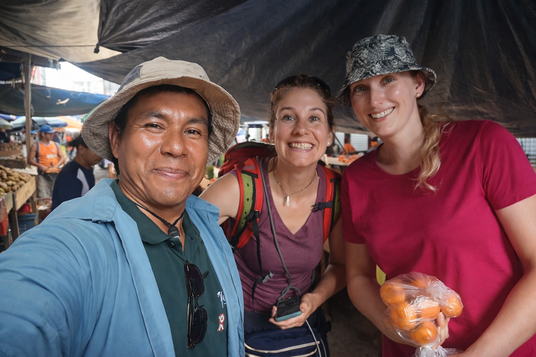
In these more accessible routes, visitors will often find local wildlife centers, small rural mini-zoos, and native community visits that are designed for tourism. They can be interesting for first-time travelers, but they are not always the deepest expression of the Peruvian Amazon. One of the most authentic experiences closer to the city is the Belén Market, the busiest and most emblematic market in Iquitos, where much of the city’s daily supply comes together — including traditional remedies, medicinal plants, and products connected to local spiritual practices and ancestral knowledge.
At the same time, Belén is a place that should be visited with awareness. It is vibrant, fascinating, and culturally important, but some surrounding areas can be challenging for first-time foreign visitors, especially those unfamiliar with the local environment. For that reason, if a traveler wants to enjoy the experience safely and with better context, booking a guided visit is highly recommended, especially on a first trip. Some backpackers choose to explore these areas on their own and later leave negative reviews, but in many cases the problem is not the destination itself — it is arriving without the right information, preparation, or local guidance. In this part of the Amazon in Peru, understanding the environment is part of traveling well.
Choosing the Right Amazon Tour in Iquitos: Duration, Comfort, and Location Matter
Even within the city, there are a few experiences in Iquitos that many travelers can do on their own — as long as they stay aware and use common sense. Like in many tourist destinations, visitors should be mindful of people who may try to charge “extra” simply because someone is a foreigner. This doesn’t mean the city is unsafe, but it does mean it’s smart to know a few normal price ranges and ask before paying.
For example, one popular stop is the Indigenous Culture Museum (often listed as a museum of Amazonian/indigenous culture). At the time of writing, the entrance fee is around 20 soles, and while prices can vary slightly over time, it should never jump to something unreasonable. The same goes for basic transport: a taxi from Iquitos Airport to the city center is typically in the range of 15–20 soles (depending on time, traffic, and negotiation). Knowing these references helps travelers feel more confident and avoid unnecessary overcharges.
Once the city basics are covered, the real question becomes: how many days should you spend in the Amazon rainforest — and what kind of Iquitos jungle tour fits your travel style?
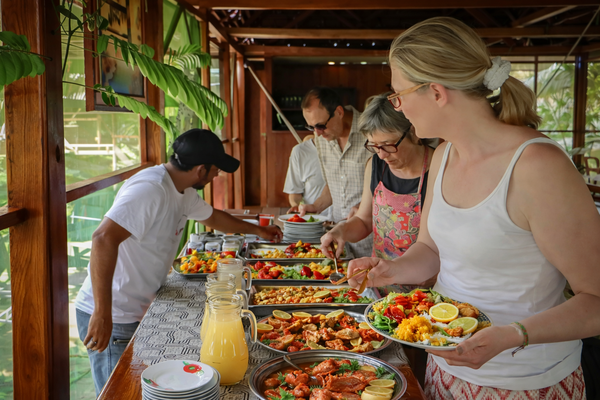
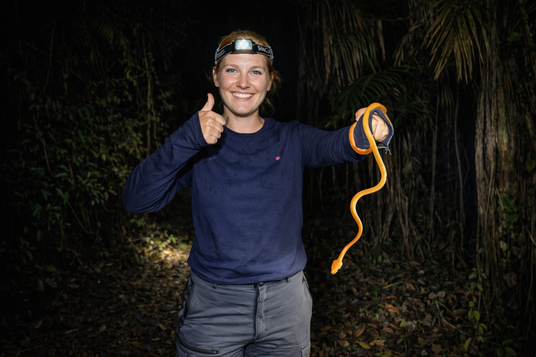
If comfort is important and you mainly want a taste of the jungle, a short 2-day / 1-night Amazon tour is often enough. Most overnight jungle trips leave the city around 10:00 a.m. and reach the lodge close to midday, which means the first day is partly travel. You’ll usually have the afternoon to settle in and a night excursion to search for wildlife. The next morning includes breakfast and a bit more exploration, but after lunch the return journey begins. In other words, a 2D/1N tour is a strong “jungle sample” — perfect for travelers who want a real rainforest night experience and then prefer returning to the comfort of a city hotel. Lodges are typically rustic but comfortable, with basic amenities that make the experience feel authentic and memorable.
A 3-day Amazon tour from Iquitos expands the adventure by adding a fuller middle day in the rainforest. The first and last days still involve significant travel time, but the extra day gives you more room for deeper activities: longer walks, more river exploration, and better chances to spot wildlife.
If your priority is wildlife in the Amazon and you don’t mind being away from the city longer, a 4-day jungle tour is often the best value. It usually gives you close to two full days dedicated to exploration, which matters because wildlife sightings are always based on probability and conditions.
And here is one crucial factor many companies don’t explain clearly: the location of the lodge can dramatically affect your chances of seeing animals. Some lodges are placed closer to villages or populated areas for comfort and logistics — easier access, shorter boat rides, and simpler supply runs. But this convenience is often inversely proportional to wildlife activity. The closer a lodge is to human settlements, the fewer wild animals you tend to encounter. The farther into remote areas you go, the higher the chances of seeing more wildlife — simply because animals avoid humans and stay away from places where hunting pressure exists. When choosing among Amazon tours in Peru, this detail is one of the most important questions a traveler can ask.
How to Explore Iquitos and Prepare for a Real Amazon Experience
Once travelers understand what there is to explore in Iquitos, one thing becomes clear: this is a relatively small city, and in many ways it feels almost like an island shaped by water. Iquitos is surrounded by rivers such as the Itaya, the Amazon, and the Nanay, and many of the most interesting places to visit are scattered beyond the urban area, across those waterways and deeper into the rainforest. That is why a full-day tour in Iquitos is often one of the most practical ways to begin. Aside from places like Belén and a few museums within the city itself, most meaningful exploration involves crossing rivers and heading outward into the jungle.
For travelers coming from far away, there is also a simple but important recommendation: if you do not want to leave the Peruvian Amazon with the feeling that you came all this way and still missed the real wildlife experience, it can make sense to combine different types of tours. A smart approach is to begin with a full-day wildlife-focused tour and then continue the next day with a 2-day, 3-day, or 4-day Amazon lodge tour. This way, the first day already gives you a chance to encounter Amazonian animals and connect with the environment, while the longer jungle stay allows for a deeper immersion. And if the rainforest does not reveal as much wildlife as you hoped during the multi-day trip — because nature always works on probability, not guarantees — you can still leave feeling that your time and money were well invested. The jungle keeps its mystery, but your journey still feels complete.
Another frequent question from international travelers is about vaccination for the Amazon in Peru. At the moment, for standard lodge-based tours around Iquitos, the yellow fever vaccine is not always strictly checked as a condition to join a typical tour, but major travel health authorities do recommend it for travel to the eastern Amazon regions of Peru, including Loreto. If a traveler can get the vaccine in advance, that is generally the best option. However, we also understand that in some countries it can be expensive or less convenient to arrange before traveling.
For most regular Amazon tours from Iquitos, guests sleep in lodge rooms rather than open camps. Rooms commonly use mosquito nets or protected sleeping areas, which helps reduce nighttime mosquito exposure. This does not eliminate risk completely, but it does make a big difference when combined with strong insect repellent, long sleeves, and basic precautions. In many standard lodge experiences, these measures are usually enough for travelers who are properly prepared.
That said, more remote expeditions — especially certain camping-style routes or deeper protected-area itineraries — may involve more direct exposure to the forest environment and fewer built comforts. In those cases, prevention becomes even more important. The key message is simple: if you can get vaccinated before your trip, that is ideal; if not, you should at least arrive with excellent mosquito protection and a clear understanding of the type of tour you are booking. In the Amazon rainforest, good preparation is part of the experience.
how to prepare for the Amazon
Good preparation also means understanding the environment you are arriving in. In the end, Iquitos remains a small and deeply local city with a rural rhythm, no fully modern port infrastructure in the way many international travelers might expect, and a character that feels unmistakably Amazonian. That is exactly part of its charm. It is authentic, vibrant, imperfect, and full of life.
Because of that, one of the first things many travelers notice is the difference in water quality, food habits, climate, and daily comfort compared with what they are used to at home. For this reason, it is always wise to travel with a small personal medical kit. Major travel health guidance recommends bringing a travel health kit with basic supplies, especially items that may be difficult to find during the trip. If possible, travelers should speak with their doctor before coming and bring any previously prescribed medication for allergies, stomach discomfort, motion sickness, or other personal needs. A few essentials such as hand sanitizer, basic wound disinfectant, bandages, and any routine medication can make a big difference in avoiding unnecessary problems during the journey. CDC guidance also notes that contaminated food and water can cause travelers’ diarrhea, so basic prevention and preparation matter.
Beyond that, the right gear helps travelers enjoy the adventure instead of struggling with it. Flashlights and binoculars are simple but valuable tools in the Amazon rainforest, especially for night walks, early wildlife spotting, and making the most of the experience. When it comes to clothing, both short and long options are useful. The Peruvian Amazon has a consistently tropical climate, so heat and humidity are part of daily life. Light-colored, lightweight long sleeves and long pants are often ideal because they help protect against sun exposure, branches, and insect bites while still feeling breathable. Health guidance for Peru also recommends covering the skin as much as possible and using insect repellent often to reduce mosquito and other bug bites.
It is also smart to bring more than one change of clothes per day if you sweat easily. In the jungle, humidity, river transport, walks, and daily activity can make clothing feel damp very quickly, so packing two or even three light changes for active days can be the difference between discomfort and enjoying the trip. Trekking shoes or sturdy walking shoes are highly recommended, especially for muddy paths, uneven boarding points, and rustic terrain.
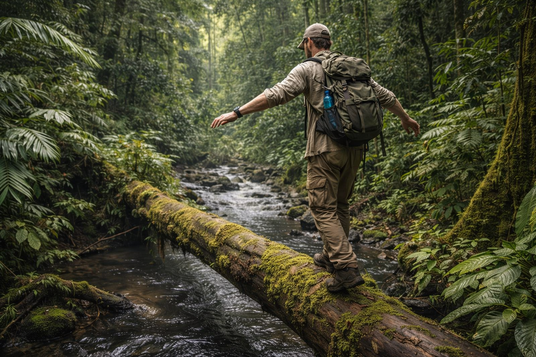
Most importantly, travelers should be honest about their physical condition before booking a jungle tour in Iquitos. The rainforest is beautiful, but it is not a controlled environment. There are no perfectly built platforms everywhere, and nature creates its own trails, slopes, boarding areas, and improvised crossings. Some routes may involve climbing in and out of boats, balancing on wooden planks, stepping over roots, or walking on uneven ground. That is why travelers with recent surgeries, serious mobility limitations, or medical conditions that could worsen in hot, humid, and physically active environments should consult a medical professional before traveling. The best Amazon tours in Peru are much more enjoyable when visitors arrive prepared, informed, and ready to adapt to the reality of the forest.
And that is the true spirit of the journey: come prepared, stay flexible, and let the Amazon surprise you. With the right mindset, even the simplest details — the heat, the sounds of the forest, the river crossings, the rustic paths — become part of the memory, not part of the problem.
Editorial note: This article was updated in 2026 by Yakumama Amazon Tours (Iquitos, Peru) as an informational guide. Prices and access conditions may change due to season, river level, and local updates.
Escribir comentario